
Last Updated on February 23, 2026
Precision medicine matches treatments to each person’s genes, environment, and lifestyle instead of using average doses for average patients. This approach has moved from labs into clinics, improving treatment outcomes and reducing side effects across cancer, rare diseases, and cardiovascular care.
What You’ll Learn:
- What it is – Using genes to guide treatment decisions
- Cancer and rare diseases – Matching drugs to tumor genetics
- AI and gene editing – Fast DNA analysis and genetic fixes
- Prevention – Spotting cancer and heart risks early
- The barriers – Cost issues and access gaps
- Moving forward – Blending precision care with standard medicine
Reading time: 9 minutes
How Precision Medicine Evolved
The Human Genome Project finished in 2003, launching modern precision medicine. DNA sequencing became faster and cheaper while data analysis tools improved dramatically. These advances moved the field from research labs into hospital practice. Patients now get better treatment results with fewer side effects.
Clinical Applications
Genetic variation affects how people respond to diseases and treatment. About 95% of people have genetic differences that change how drugs work in their bodies, so genetic testing helps doctors choose the right medications.
Precision medicine works across many medical fields. Doctors use tumor genetics to select cancer therapies, test genes to find effective antidepressants, and apply genetic risk scores to prevent heart disease. For rare diseases, they use genetic testing to identify mutations that cause illness.
Healthcare systems now connect genetic data with medical records. This alerts doctors to drug problems in real time and suggests personalized treatments. These tools turn research into better patient care.
Disease Prevention
Precision medicine identifies people at high risk before symptoms appear. Genetic risk scores predict heart disease as accurately as traditional clinical tests. This allows doctors to focus prevention efforts on high-risk patients.

Genetic data analysis
Cancer prevention shows the power of this approach. Genetic testing for BRCA1/2 mutations guides treatments that cut breast and ovarian cancer risk by about 90%. Lynch syndrome screening identifies people who need intensive colon cancer monitoring. Catching cancer early makes treatment more effective.
Genetic testing also prevents bad drug reactions. Some people have genes that affect how their bodies process medications. This matters most for drugs with narrow safety margins, where genetic differences can mean the difference between safe and dangerous doses.
Precision Diagnosis
Doctors can now analyze a tumor’s genetic code to find specific mutations. This works for over 70% of cancer patients. Instead of guessing which drug might work, doctors match treatments to the tumor’s exact mutations.
Blood tests can now detect cancer DNA without biopsies or surgery. These liquid biopsies show whether treatment is working and catch signs of drug resistance early. This lets doctors switch treatments before the cancer spreads.
Advanced analysis combines data from genes, proteins, and metabolism. Two patients with the same cancer diagnosis often have different disease subtypes. These subtypes respond to different drugs, so knowing which subtype helps doctors choose treatments that actually work.
Personalized Treatment
Cancer treatment demonstrates how precision medicine works in practice. Doctors use targeted therapies that match specific mutations found in tumors, and these work better than traditional chemotherapy. For example, HER2-positive breast cancer patients receive trastuzumab based on genetic testing. This drug specifically targets the mutation driving their cancer.
Immunotherapy uses biomarker tests to identify patients who will respond to treatment. This prevents doctors from giving expensive drugs to patients who won’t benefit. The approach improves outcomes while reducing costs.
Gene therapies now treat rare diseases by fixing specific genetic defects. These treatments cure conditions that previously had no treatment options. The high costs are justified because these therapies cure diseases rather than manage symptoms.
Breakthrough Technologies
AI and Machine Learning
Artificial intelligence analyzes massive datasets to find patterns humans miss. These systems examine genetic data, medical images, and health records to predict which treatments will work best.
A 2025 study showed this technology’s power in combining different data types. West China Hospital researchers merged health records, genetics, and immune system data for autoimmune patients. The system spotted high-risk patients and suggested personalized treatments. This works better than analyzing data separately.
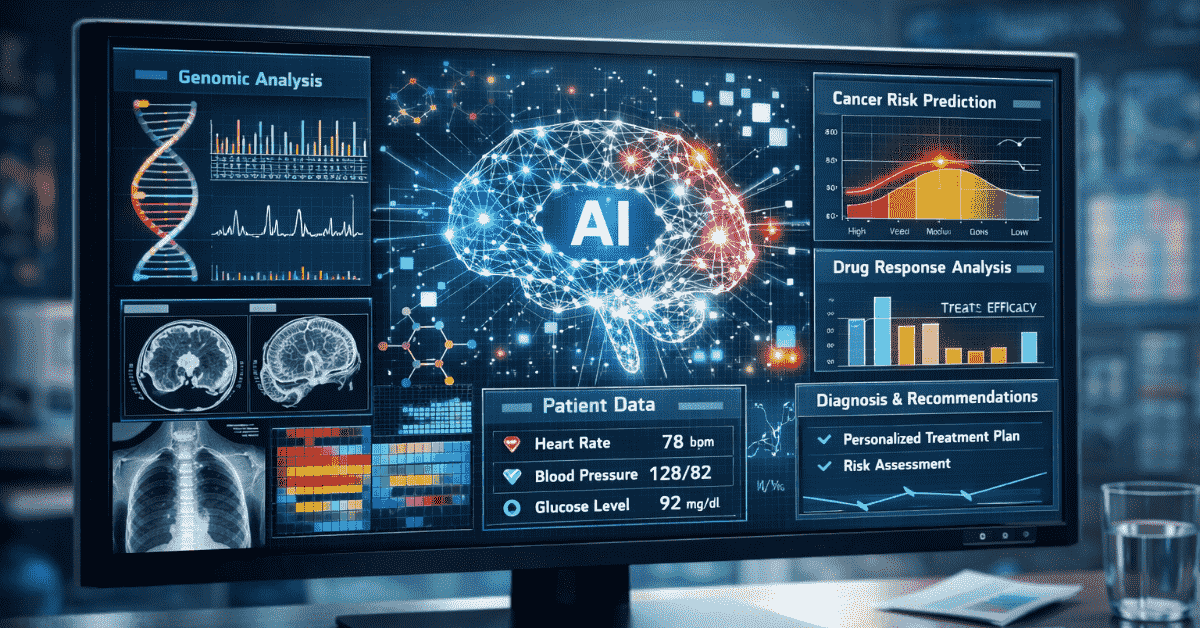
AI analyzes medical data to predict treatment outcomes
Machine learning speeds up drug discovery by finding new drug targets and predicting molecular interactions. This cuts costs and gets new therapies to patients faster.
Decision support tools help doctors interpret genetic data and recommend treatments. These systems provide expert guidance even for doctors without genetics training.
Accelerating Drug Discovery
Drug companies now develop therapies for specific patient groups. This targets treatments to patients most likely to benefit.
A 2025 Nature Medicine study marked a milestone: the first AI-discovered drug reached clinical trials. Insilico Medicine used AI to find the drug target and design the molecule. Their drug, Rentosertib, improved lung function in fibrosis patients while placebo patients declined. AI cut development time from 2.5-4 years to 18 months.
Drug developers build tests into early development. These tests identify which patients will respond to new drugs. This approach transformed cancer drugs and now expands to other diseases.
New technologies speed up personalized therapy. Scientists design cancer vaccines that target each patient’s tumor mutations. This represents the ultimate goal of personalized medicine.
Expanding Access
Cloud platforms let small teams use advanced tools. Researchers without major computing power can now analyze genetic data, spreading precision medicine beyond elite institutions.
Standard data formats work across platforms and hospitals. This enables collaboration between institutions. Combined datasets improve research and apply findings to more people.
The FDA created clear guidelines that simplified the approval process for some precision medicine tools. This encourages companies to invest and get new treatments to patients faster.
Improved manufacturing processes are cutting costs for complex therapies. Automated production systems make gene therapies more affordable and accessible. This allows more patients to access potentially curative treatments.
Gene and Cell Therapies
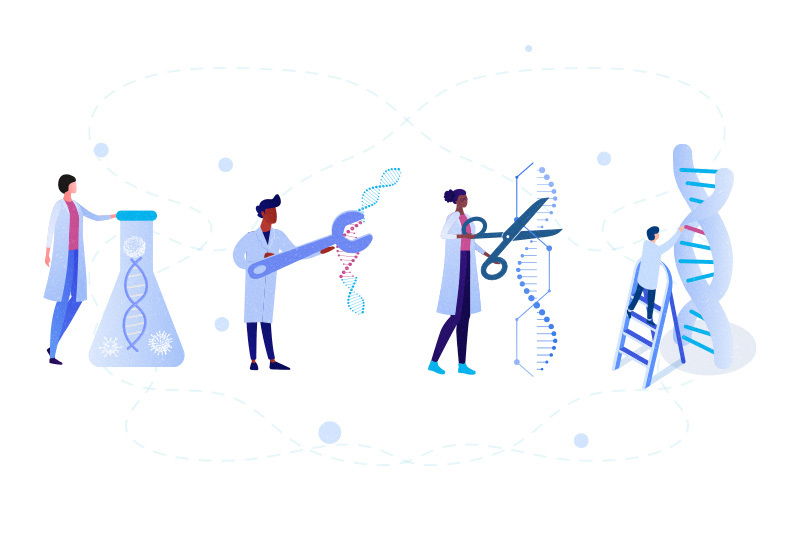
Delivering healthy genes and editing faulty DNA
Gene and cell therapies take two main approaches to treating diseases. Cell therapies modify or replace cells to restore function. Gene therapies fix or replace faulty genes that cause disease.
One successful cell therapy example is CAR-T, which treats blood cancers. Doctors remove a patient’s immune cells, reprogram them to recognize cancer, and return them to the patient. Some patients achieve long-term remission with this approach.
Gene therapies deliver healthy genes to cells. For example, Elevidys treats Duchenne Muscular Dystrophy by providing the missing gene patients need.
A newer approach uses CRISPR to edit faulty genes directly. Doctors have used it to successfully treat sickle cell disease and beta-thalassemia.
These therapies mark a shift from managing symptoms to addressing underlying causes. As costs drop and access improves, more patients can benefit from these treatments.
Challenges and Ethical Considerations
Cost and Access
Genetic testing and targeted therapies cost more than standard treatments. Healthcare systems struggle to afford these while keeping care accessible. This raises questions about fair access regardless of income.
Health Equity and Data Gaps
Most genetic databases use data from European populations. This creates bias that reduces effectiveness for other groups and worsens health gaps. Research must include diverse populations to benefit everyone.
Privacy and Consent
Genetic information affects families, creating discrimination concerns. Strong data protection is essential. Tests can reveal unexpected findings that affect relatives. Guidelines help manage these discoveries while respecting autonomy.
Training and Infrastructure
Many doctors lack genetics training. Without this knowledge, they struggle to use precision medicine. Hospitals need advanced labs and data systems that many cannot afford.
Final Thoughts
Precision medicine is transforming how doctors treat diseases. Instead of using the same approach for every patient, treatments now match each person’s unique genetic makeup and individual needs. This personalized approach leads to better outcomes.
But significant challenges stand in the way. Cost remains a major barrier, and access is far from equal. Moving forward will require collaboration between researchers, doctors, and policymakers. We need better training programs and policy changes that prioritize fairness.
The goal isn’t to replace traditional medicine but to enhance it with personalized strategies. As this field continues to evolve, keeping equity at the forefront is crucial. These powerful advances should benefit every patient, not just those who can afford them or live in the right location.
Healthcare’s future is personal. The real challenge is making it universal.
Interested in more content like this? Follow me on LinkedIn for regular insights on AI, precision medicine, and emerging biotech innovations.
Frequently Asked Questions
What is precision medicine?
Precision medicine means treatments are matched to your genes, lifestyle, and health history instead of using the same approach for every patient. Most medications are designed for average doses. Precision medicine skips the average and goes straight to what works for you.
How is precision medicine different from traditional medicine?
Traditional medicine treats most patients the same way. Precision medicine is personal. Your treatment matches your unique genetics and needs, so it’s more likely to work for you.
Which health conditions benefit most from precision medicine?
Cancer patients benefit the most because doctors can match drugs to specific tumor types. It also helps with heart disease, rare genetic disorders, and picking the right medications for conditions like depression or high cholesterol.
Can everyone access precision medicine today?
Not yet. Access depends on where you live and what your insurance covers. The technology exists, but cost and availability are still barriers for many people, especially in rural areas or developing countries.
Is precision medicine expensive?
Yes, it usually costs more than standard care. Genetic tests and targeted drugs are pricey. But prices are dropping fast. More insurance companies now cover genetic testing, and costs should keep falling as the technology improves.
Is my personal health information protected?
Yes. Laws like HIPAA protect your medical data. Doctors and labs use strong security systems. Your genetic information stays private unless you give permission to share it.
What does the future of precision medicine look like?
More prevention, less treatment. Doctors will spot disease risks before you get sick. Treatments will get cheaper and more available. Eventually, personalized medicine will be standard care, not special care.
Explore More AI & Biotech Insights
Keep learning about technologies shaping healthcare:
The Future is Now: 10 Scientific Trends Reshaping Our World in 2025
CRISPR-Cas9: The Gene-Editing Tool That’s Transforming Science
2025’s Breakthrough AI Trends: The 5 Innovations You Can’t Ignore
Exploring Agentic AI: Capabilities, Applications, and Future Trends
Need Science Content That Connects?
I help biotech companies and research organizations explain complex science clearly. From gene editing to AI innovations, I create content that educates experts and engages broader audiences.
View My Services | Get in Touch

Curtis Haavi
SEO/AEO Specialist | Science & Technology
Curtis creates SEO content for AI, biotech, and tech companies. He combines molecular biology expertise with clear writing to produce content that ranks and engages.